

Twenty-five years of silent harm, made visible and felt — The Measured Toll turns clinical painkiller data into an emotionally resonant visual system across print, motion, and exhibition.
The Measured Toll project makes the invisible impact of chronic painkiller use tangible. By transforming cold clinical statistics into an emotionally resonant visual narrative, the project reveals the gradual, 25-year progression of internal harm. Through a multi-platform experience of print and motion, the work invites viewers to reflect on the hidden consequences of long-term medication.
Grounded in the principles of Data Humanism, the system balances clinical clarity with abstract visuals, making complex health risks not just understandable, but deeply felt.

The Problem
Clinical data often feels cold and emotionally distant, making it difficult for people to connect with important health information. The long-term effects of chronic painkiller use, in particular, are often overlooked or invisible, creating a gap between statistical risk and human understanding.
The Solution
A data-driven design system that visualizes the hidden impact of chronic painkiller use on heart and liver health. The solution transforms complex clinical data into an emotionally resonant visual language through a series of abstract posters and a motion graphic. By using subtle distortion and minimal text, the project makes the unseen consequences of long-term medication use both visible and impactful.
Goals
Generate Engagement and Interest
Immediately capture the viewer's attention with visually compelling, abstract designs that invite closer inspection without using explicit medical imagery.
Communicate Effectively
Prioritize visual clarity to communicate the complex, long-term effects of painkiller use in a simplified and digestible manner that is both accessible and understandable.
Tell a Visual Story
Create a narrative that unfolds across the poster series and motion piece, using the evolution of visual forms to represent the gradual toll on health and create a powerful emotional arc.
Design Process
Research & Data Synthesis
Conducted in-depth research on the long-term effects of chronic painkiller use; gathered and synthesized clinical data on risk multipliers and mortality statistics from credible sources like the CDC and NIH.
Visual Exploration & System Design
Explored visual styles inspired by leaders in data humanism to translate complex information into expressive visuals; developed a cohesive visual system that balanced abstraction with clarity, creating multiple iterations of the poster series to refine the emotional impact.
Execution & Production
Produced a series of high-resolution posters and a 30-second motion graphic to serve as a narrative introduction; the final deliverables were created using Adobe Illustrator, Photoshop, After Effects, and TouchDesigner.
Challenge
Bridging the Data-Empathy Gap
The core challenge was translating cold, complex clinical statistics into an emotionally resonant visual language that a general audience could connect with.
Balancing Abstraction with Clarity
The design needed to be visually abstract to maintain its emotional impact, yet clear enough to communicate the underlying health risks without being overly literal or explanatory.
Defining the Role of Text
A key strategic decision was whether to use detailed data labels to guide the viewer or minimal text to preserve the visual narrative and encourage personal interpretation.
Visualizing an Invisible Process
The project's central task was to make a gradual, internal, and unseen process of harm feel tangible and immediate through visual design.
Research and Discovery
The research revealed an opportunity to translate cold, clinical data into an emotionally resonant visual language, inspired by the principles of Data Humanism.
Clinical Data Review
Gathered and synthesized data on prescription rates, risk multipliers, and mortality statistics from credible U.S.-based sources including the CDC, NIH, and peer-reviewed medical journals.
Design Precedent Study
Researched the work of leading information designers like Giorgia Lupi, Federica Fragapane, and David McCandless to explore methods for turning complex information into expressive and compelling visuals.
From Research to First Concept
My initial research focused on precedents in Data Humanism. I studied how leading designers translate complex data into emotionally resonant visuals, focusing on techniques that balanced abstraction with clarity. The goal was to find a visual language that could make the invisible effects of painkiller use feel tangible and impactful.
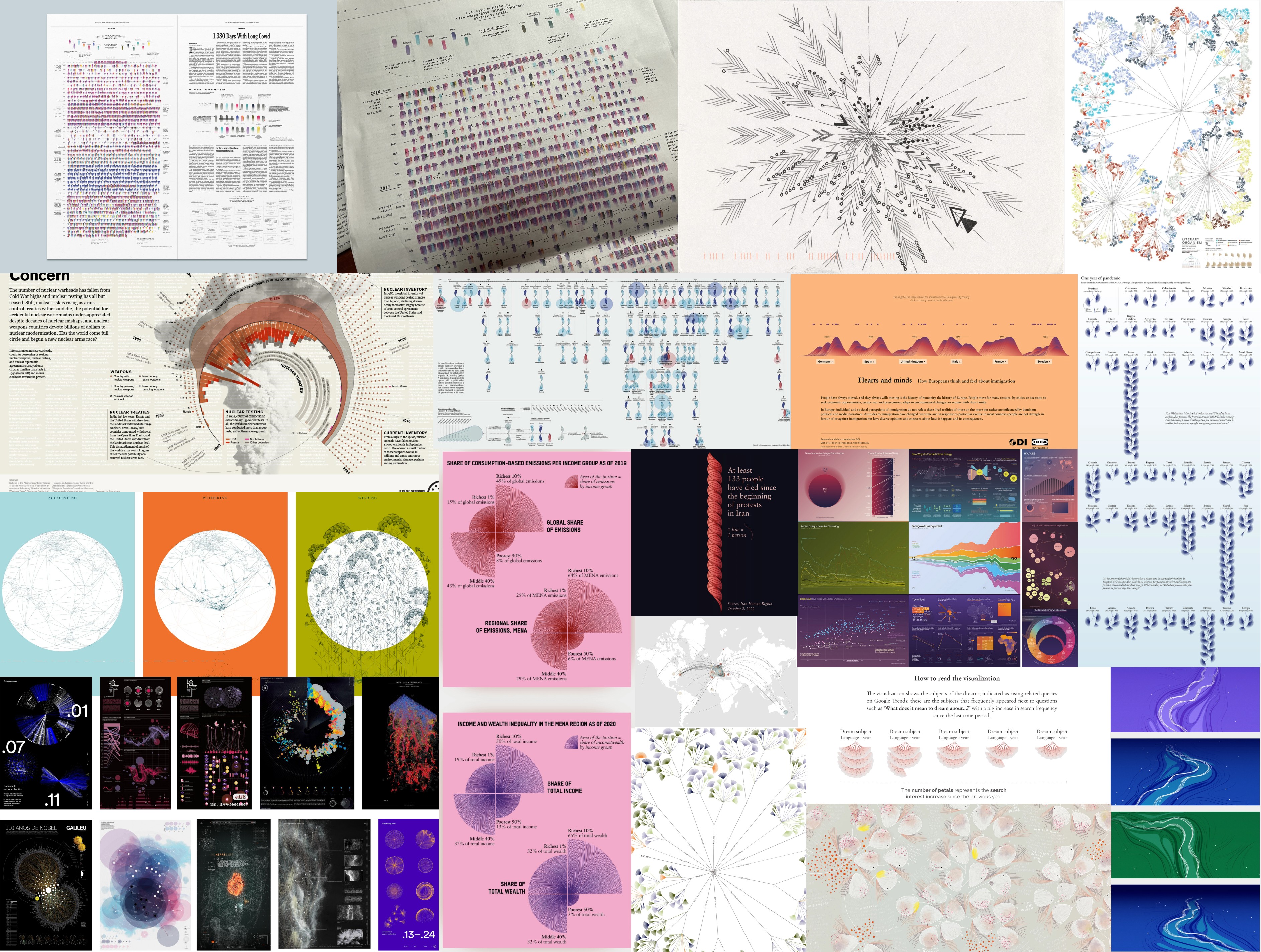
Mood board of designers working in Data Humanism whose work inspired the project's visual direction.
Early Explorations & Direction
My initial explorations focused on more literal representations of the heart and liver. While these concepts were anatomically based, I found they felt too clinical and overly explanatory, which limited their emotional impact. This insight led to a strategic pivot towards a more abstract, data-informed approach that could better represent the internal and unseen nature of the subject.


Exploring a literal, anatomical approach.


Testing different abstract forms to convey internal change.
Refining the Visual System
The final design was the result of multiple rounds of refinement. Early versions experimented with more data-dense layouts, but these were simplified to preserve emotional clarity and impact. Each iteration focused on improving the balance between the abstract visuals and the supporting data.
Typography
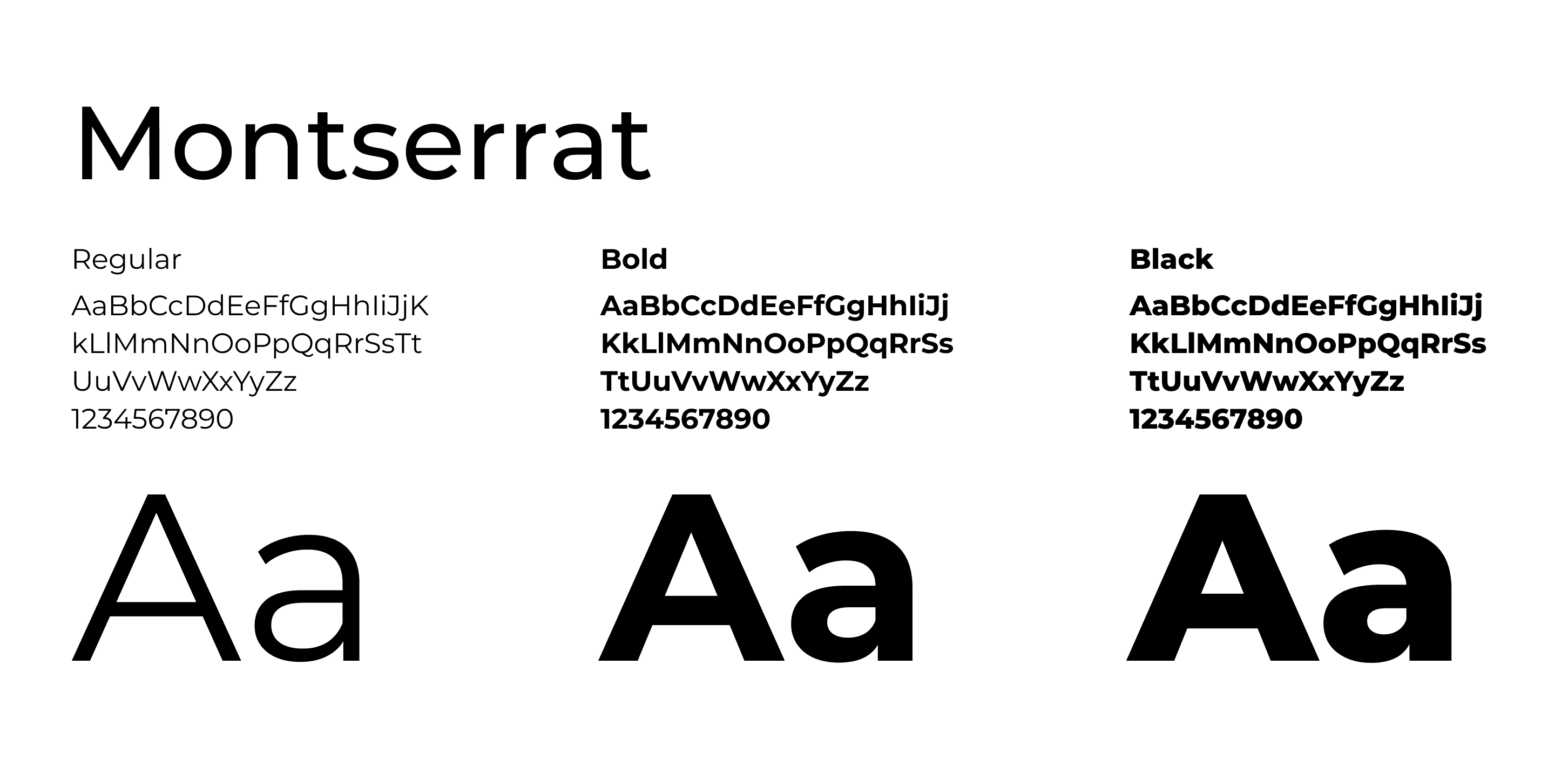
The Montserrat typeface was chosen for its clean, geometric forms and high legibility, which is crucial for data-focused design. Using a clear hierarchy of weights ensures that key information is scannable and impactful, even within a visually abstract composition.
Color
The color palette was intentionally selected to create a specific mood and guide the narrative. A dark, muted background establishes a serious and somber tone appropriate for the subject matter. The vibrant pinks and purples are used to represent the biological forms, creating a high-contrast visual that is both striking and evocative of internal body systems without being literal.
Further Iterations
Second Round Iteration

Third Round Iteration

Fourth Round Iteration

Final Iteration
The final designs emerged from several rounds of refinement. The key challenge was balancing informational clarity with emotional impact, which led to a strategic simplification of the typography and composition in later versions.
Simplified Typography: The hierarchy and amount of text were reduced in later versions. This shift prioritizes the emotional narrative carried by the visual over dense data-labeling.
Refined Composition: The density and flow of the line work were adjusted to better evoke a sense of internal tension and gradual change, removing extraneous visual noise to improve the design's focus and impact.
Outcome & Reflection
The final outcome of the project is a multi-platform experience designed to make the invisible impact of chronic painkiller use feel tangible. The system consists of a series of six posters that narrate the 25-year progression of harm and a 30-second motion graphic that sets the emotional tone.
Motion Pieces
A 30-second motion graphic sets the emotional tone for the piece, extending the poster series' visual language into movement.
Poster Series

Exhibition at Imagine RIT
The project was featured in a physical exhibition, allowing the work to engage with a live audience and demonstrate its impact in a real-world context.


Key Insight
Data Made Emotional
Abstract visual design, grounded in real clinical data, becomes a powerful tool for public health communication rather than a chart nobody reads twice.
Restraint Over Density
Prioritizing visual restraint over dense information turns a complex, unseen topic into something people actually stop and feel.
A Reusable Method
The data-to-emotion translation process is the project's most transferable outcome — not just the six posters it produced.
Critical Evaluation
Strength
The abstract visual language succeeds at evoking strong emotional impact without relying on explicit medical imagery.
Challenge
Balancing abstraction with clarity was a constant tension — push too far and the underlying health risk gets lost.
Lesson
Minimal text is a design decision in itself. Stripping labels back let the visuals carry the narrative, inviting interpretation instead of explaining it away.
Potential Next Steps
Expand the Dataset
Test the same data-to-emotion pipeline on a second health risk to see how much of the visual language holds.
Validate with Users
Run comprehension testing with a general audience to confirm the abstract forms read correctly without guided context.
Go Interactive
Explore a TouchDesigner-driven version where viewers can control the timeline themselves, extending the static posters into a hands-on experience.